Relocating to Jersey
If you are considering relocating to Jersey as a high value resident or through work, we are pleased to provide some useful information below.
About Jersey
Jersey is a British Crown Dependency with a long history of allegiance to the British Crown. We are located between England and France in the Channel Islands.
The largest of the Channel Islands, Jersey measures 10 miles by 5 miles and is just 13 miles from the coast of France. However, Jersey has been loyal to the UK Crown for many centuries and consequently has a fascinating French and English history. It was the only part of British soil that was occupied by the Germans during World War II.
Today it is self-governing, with a stable government and independent fiscal and legal systems that provides an ideal environment for you to protect your wealth, and where your business can flourish if you choose to relocate it.
With a highly respected international reputation and recognized by both the IMF and OECD, the Island’s well-regulated business infrastructure ensures that you will have peace of mind when you move to Jersey.
Jersey offers safety and privacy, high-quality health and leisure facilities, world-class restaurants, a good education system, and easy access to the UK, Europe, and beyond.
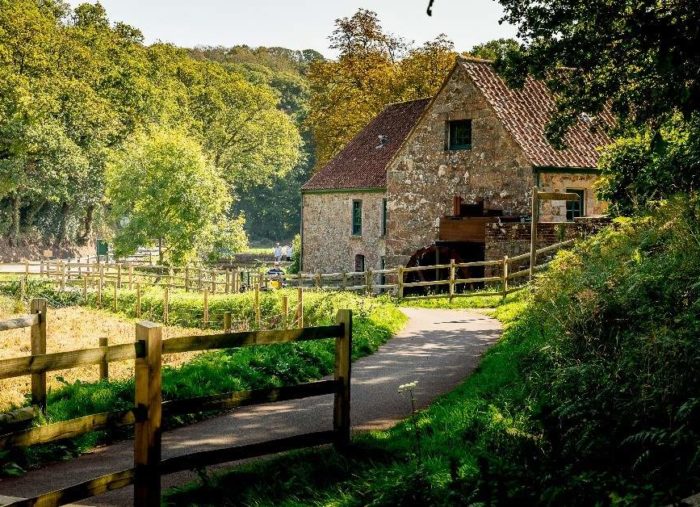
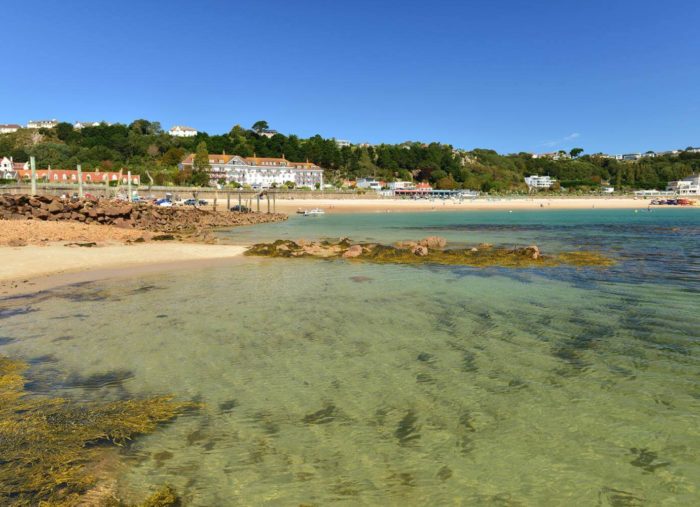
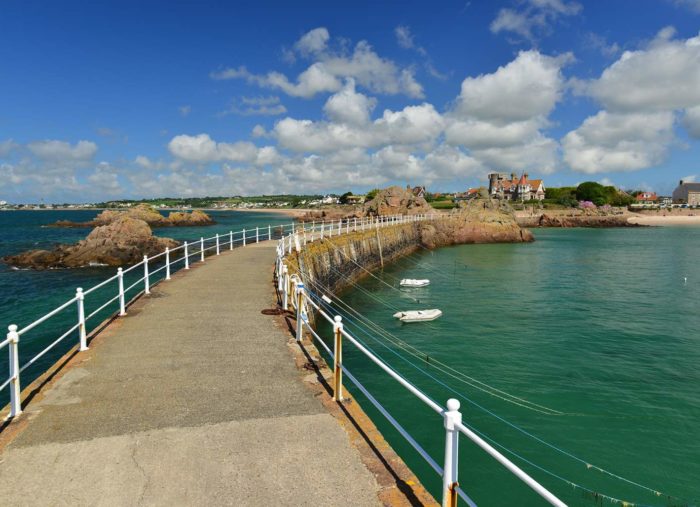
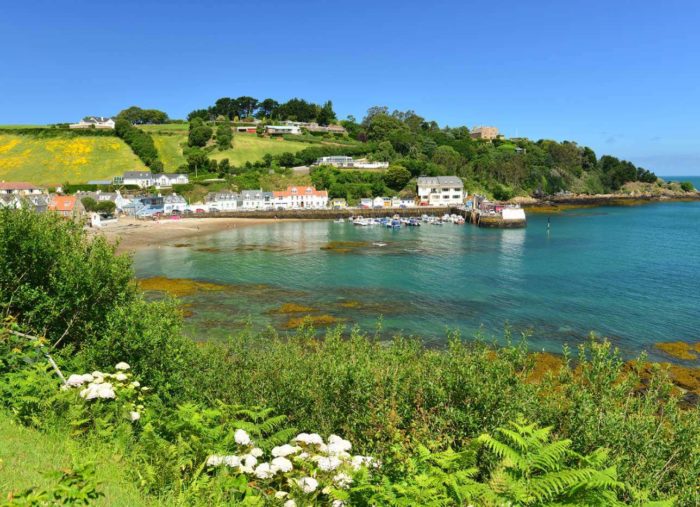
There are miles of unspoilt beaches, clean and pure sea air, and beautiful countryside.
It is conveniently close to international business centres, but far enough away to enjoy a relaxed lifestyle in a tranquil and secure location and a good climate. Moving to Jersey offers a pace of life that gives you and your family space to thrive.
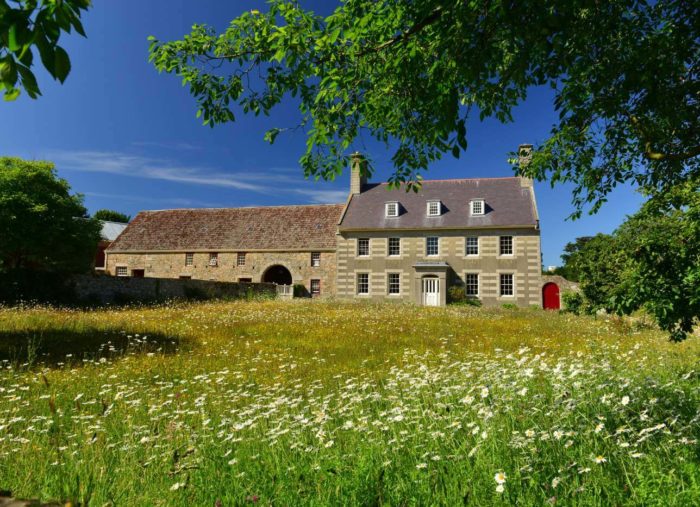
The luxury property market varies from contemporary houses and apartments overlooking the stunning bays all around the island to large granite stone farmhouses and historic manor houses set in acres of land, so you will be able to live comfortably in a style that suits you.
At Hunt Estates, Christie’s International Real Estate’s exclusive affiliate in Jersey, our directors, Gill and Steven Hunt will be pleased to help you find a suitable rental or property to purchase.


See www.jersey.com
Taxes
Jersey is a low tax jurisdiction with some of the lowest tax rates in Europe. With low personal tax rates, no CGT or IHT, and a 0%-10% Business Tax system, Jersey could be just right for you.
Personal Tax
The standard rate of personal income tax in Jersey is 20%. This is the maximum that most residents will pay in a year. Personal tax is based on total income but takes into account exemption thresholds and any eligible allowances and reliefs.
Individuals who relocate to Jersey under a ‘Licensed’ permission will pay tax at 20%.
High Net Worth Individuals who move to Jersey as an approved 2(1)(e) resident have a tiered rate of tax on personal worldwide income of:
- 20% on the first £1,250,000
- 1% on all income over £1,250,000
- 20% on income derived from Jersey land and property, or dividends paid from a company in receipt of Jersey property income.
There is an annual minimum personal income tax contribution of £250,000
Business Tax
The standard rate of business income tax in Jersey is 0%. The exceptions to this standard rate are:
- certain regulated financial service companies (as defined in the Income Tax Law) which are taxed at 10% (see Financial Services for more information)
- utility companies which are taxed at 20%
- retailers in Jersey (with retail turnover of £2m and above) where tax is charged:
- at 0% where profits are less than £500k
- on a sliding scale from 0% to 20% where profits are between £500k and £750k
- at 20% where profits exceed £750k.
- 20% on income specifically derived from trading in Jersey in:
- the importation and/or supply of hydrocarbon oils
- quarrying
- property development
- property rental.
Residential Qualification
In Jersey, the right to buy and occupy residential property is controlled by law. Jersey residents fall into one of four categories.
- Entitled: Someone who has lived in Jersey for 10 years. If you are ‘Entitled’ you can buy, sell or lease any property. *High Value Residents (HVRs) are granted this status with conditions.
- Licensed: Someone who is employed by or who owns a trading Jersey business which must have permission to employ/be owned by a Licensed person. A Licensed employee can buy, sell or lease any property, apart from first time buyer restricted or social rented housing, in their own name as their sole place of residence in Jersey so long as they keep their ‘Licensed’ status.
- Entitled for Work: Someone who has lived in Jersey for a continuous period of five years immediately before the date of issue of their registration card or is married or in a civil partnership with someone who is Entitled, Licensed or Entitled for Work. If someone has Entitled for Work status, they can buy property jointly with an Entitled or Licensed spouse/civil partner and can lease ‘Registered property’ as a main place of residence in their own name.
- Registered: Someone who does not qualify under the other categories. A Registered person can only lease ‘Registered property’ as a main place of residence in their own name. An employer needs permission to employ a person with Registered status. A register of all units of residential accommodation is available showing the housing category of each unit, either ‘Qualified’ or ‘Registered’ and any conditions or concessions which are applicable.*Hunt Estates will assist you through the application process
*Note: Not intended as financial or tax advice. Please consult a tax or finance professional in your region for financial and tax advice.
Being granted high value residency
The Chief Minister can grant ‘entitled’ status to a high value resident if he is satisfied that doing so will have a social or economic benefit and is in the best interests of the community.
‘Entitled’ status for high value residents. If you are granted ‘entitled’ status, you may buy or lease property in Jersey as your main place of residence here. The Population Office normally requires that you buy or lease a high value property.
Generally, this is either a property valued in excess of £3.5 million for a house and £1.75m for an apartment.
How to qualify as a high value resident
If you apply to become a high value resident, you must meet the following main criteria:
- your contribution to tax revenues is in accordance with Article 135A of the Income Tax Law
- your residency in Jersey will benefit the Island in some way (usually business or socially)
- you’ll need to show that you have annual worldwide earnings comfortably in excess of £1,250,000 per year, and this must be sustainable income. However, this does not guarantee your high value residency status. You will be required to pay 20% ie min of £250,000 per year. Please note any income earned from land and buildings in Jersey, or dividends paid from a company in receipt of Jersey property income, is taxed at 20%.
Other qualifying factors
The minister may also take into account any:
- voluntary work or business contribution to the local community
- training or sporting initiatives particularly aimed at youth or educational organisations
- actual or potential media coverage of any activities that involve your business or social life. This includes positive images such as sporting or educational achievements, and negative images relating to past business practice cultural interests or skills that have benefited a local community which could benefit Jersey
- general lifestyle and family circumstances, including past charitable work and contributions
- any clear undesirable factors in your background, such as a criminal record
The minister will take into account any likely local impact that you will have on taking up residence in Jersey. The minister will also ask about your plans for further business activities in Jersey, future local employment, training, diversification and any potential resultant increased tax revenues.